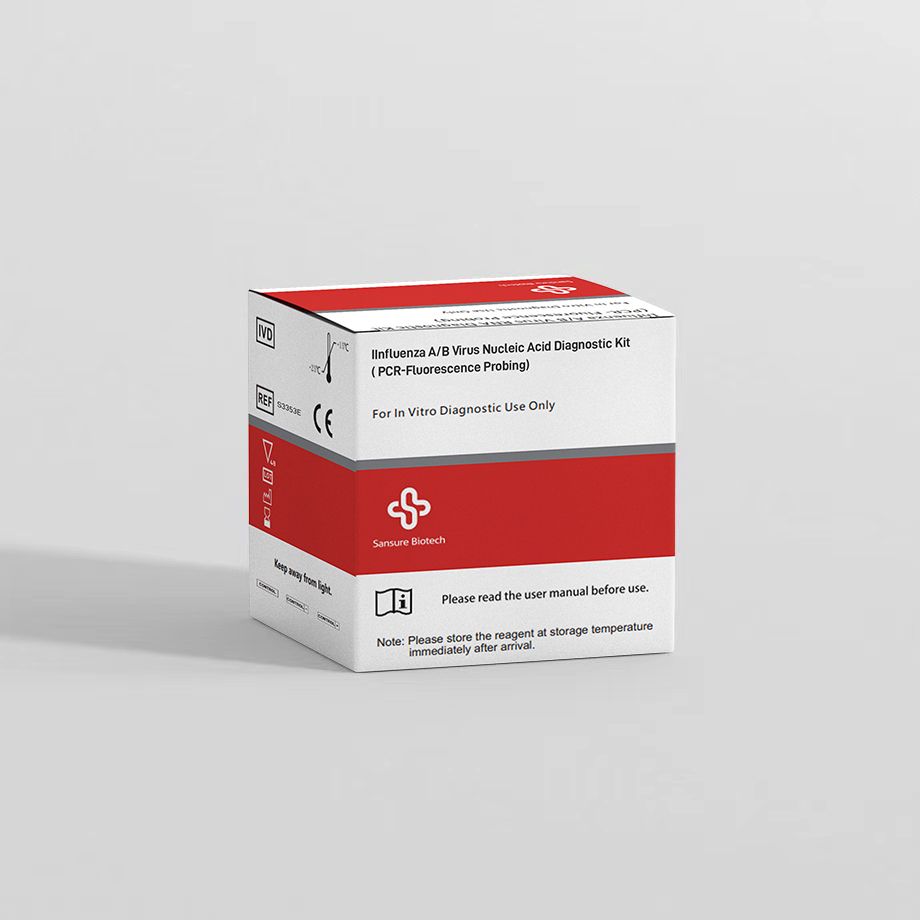
Beskrivning
Group B Streptococcus (GBS) was named for that the structure of polysaccharides in cell wall belongs to group B in the classification of antigenic structure. GBS is an opportunistic pathogen, locating in digestive tract and urinary tract of human. The proportion of GBS carrying rate is up to 15%~35% in healthy person, and 10%~30% in pregnant women. GBS could cause pregnant women genital tract infection, early-onset neonatal infections and late onset neonatal infections. In pregnant women infections, it may cause premature labour, fetal dysplasia, premature rupture of membranes and late abortion. According to statistics, about 10%~30% of pregnant women are infected with GBS, and 40%~70% of them are likely to transmit to the next generation. In early-onset neonatal infections (within 7 days after birth), there are high risks of neonatal hematosepsis and pneumonia, which is one of the main causes of neonatal death. While in the late onset neonatal infections, meningitis and severe neural sequela may occur, including hydrocephalus, mental retardation, microcephaly, deafness, etc.